
Published by Zauq Parfums — Artisanal Luxury Perfumes & Pure Cambodian Oud, Lahore, Pakistan.
For centuries across South Asia and the Middle East, the application of pure concentrated perfume oils (known universally as Ittar or Attar) has been deeply woven into cultural heritage, spiritual observance, and high ceremony. Unlike Western spray perfumes that dilute precious scent compounds in ethanol alcohol (typically 80–85% alcohol by volume), traditional attars are 100% non-alcoholic, botanical distillations suspended in gentle carrier oils like pure Mysore sandalwood oil or refined neutral botanicals.
True artisanal attar production is one of the oldest living alchemical arts on earth. Using massive copper cauldrons called Degs sealed with natural river clay and heated over open wood or husk fires, raw aromatic botanicals—freshly harvested Damask rose petals, kewra blossoms, earthy vetiver roots (Khus), or aged agarwood chips—undergo slow hydro-distillation. The aromatic steam travels through a curved bamboo pipe (Chonga) submerged in cold water tanks, condensing into an unglazed copper receiver (Bhapka) containing aged sandalwood oil.
Because no synthetic solvents or alcohols are ever introduced, the resulting fragrance matures over months, creating a rich, skin-intimate elixir that develops uniquely on each wearer’s body heat.
Many fragrance enthusiasts make the mistake of rubbing attar aggressively between their wrists. Friction generates excess heat that crushes the delicate volatile top notes. Follow the ritual technique recommended by Zauq Parfums:
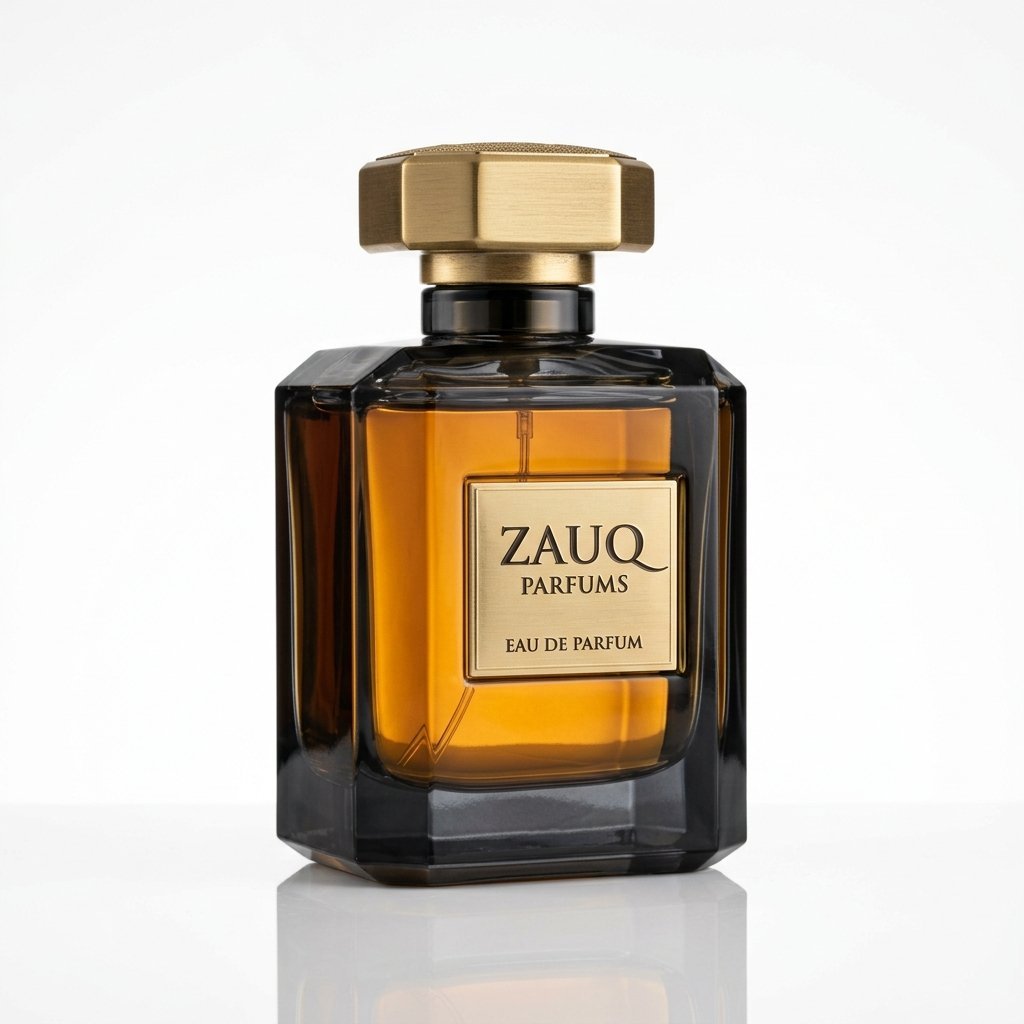
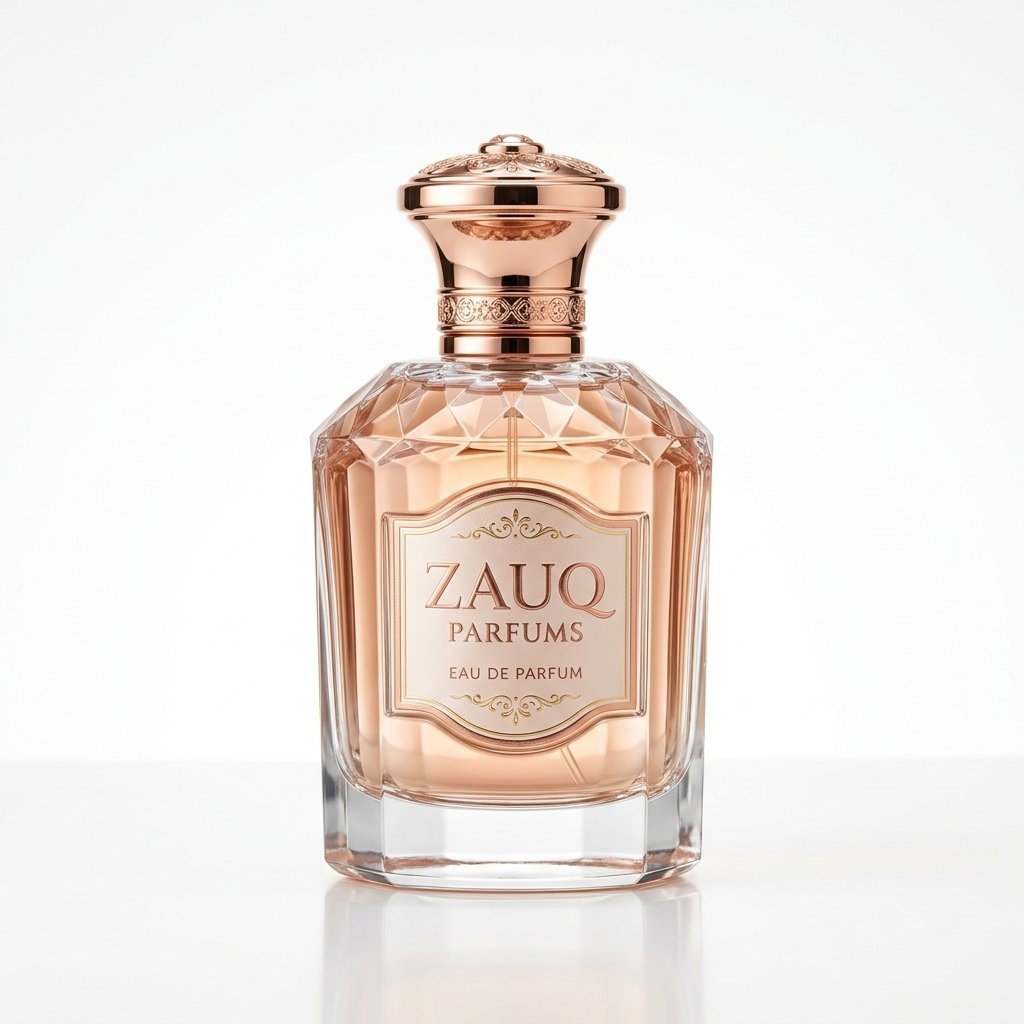
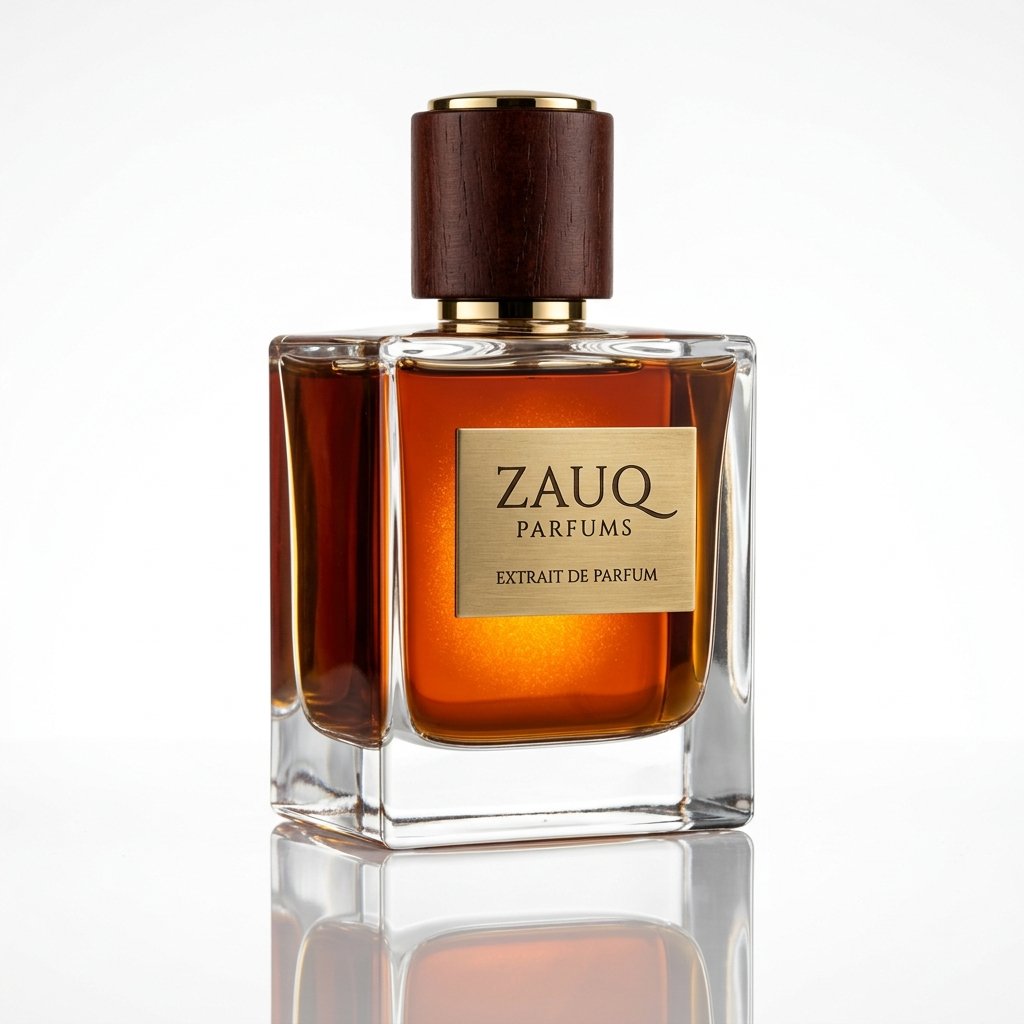
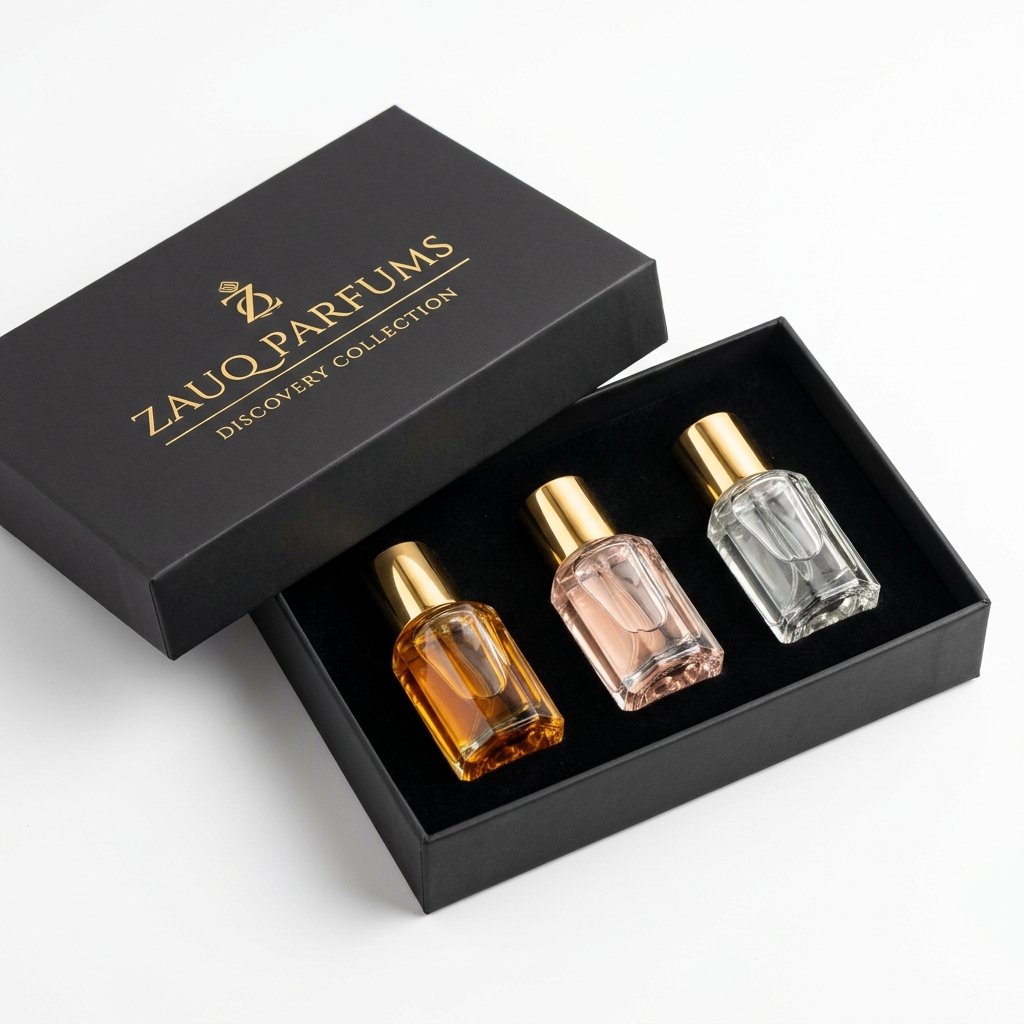
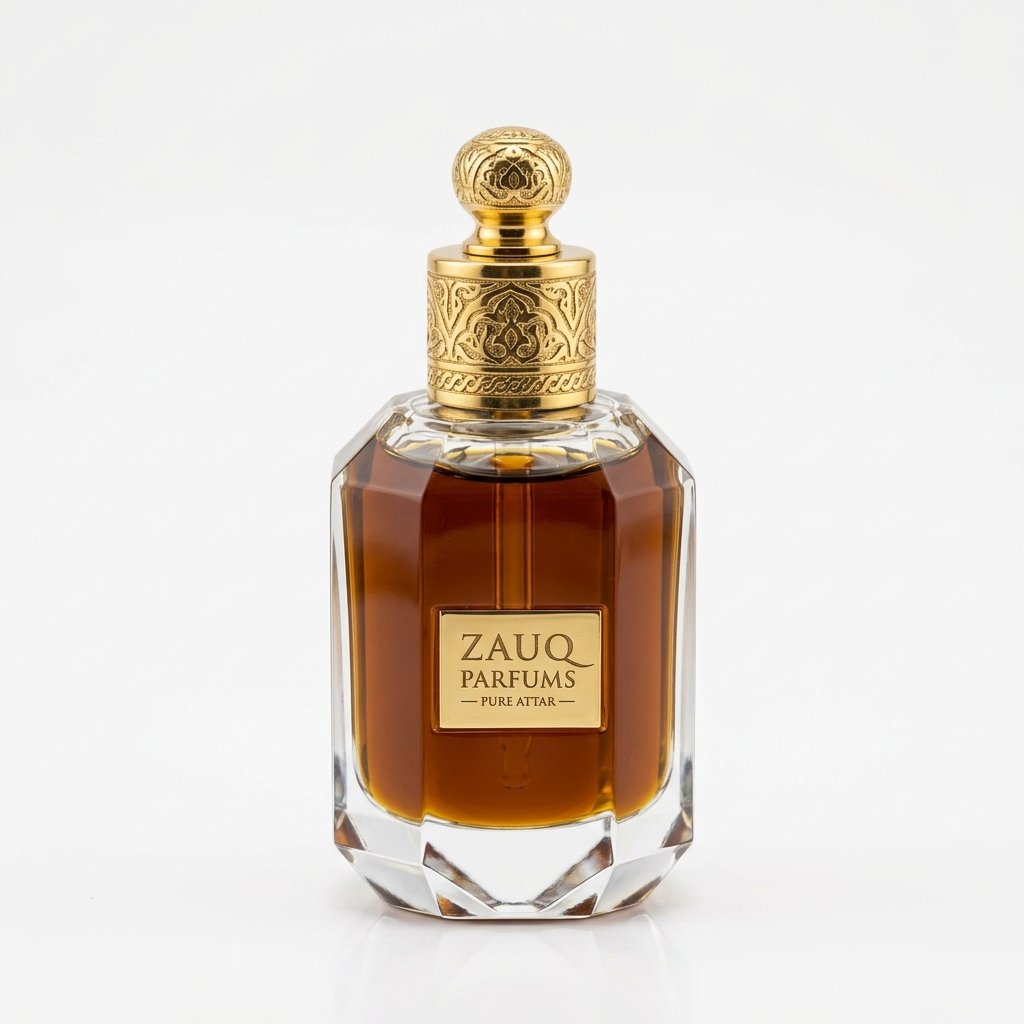
Explore our curated non-alcoholic attars, bottled in deluxe crystal flacons with precision glass applicators:
All Zauq Parfums attars are 100% alcohol-free, non-alcoholic, and hand-poured in Lahore. Cash on Delivery available across all Pakistan.
{
“@context”: “https://schema.org”,
“@type”: “BlogPosting”,
“headline”: “The Art of Attar: How Traditional Non-Alcoholic Concentrated Perfumes are Distilled and Worn in Pakistan”,
“author”: {
“@type”: “Organization”,
“name”: “Zauq Parfums”,
“url”: “https://zauqparfums.com”
},
“publisher”: {
“@type”: “Organization”,
“name”: “Zauq Parfums”,
“url”: “https://zauqparfums.com”
},
“description”: “An in-depth guide by Zauq Parfums on traditional copper-distilled non-alcoholic attars: hydro-distillation, application techniques, and differences from alcohol-based perfumes.”
}